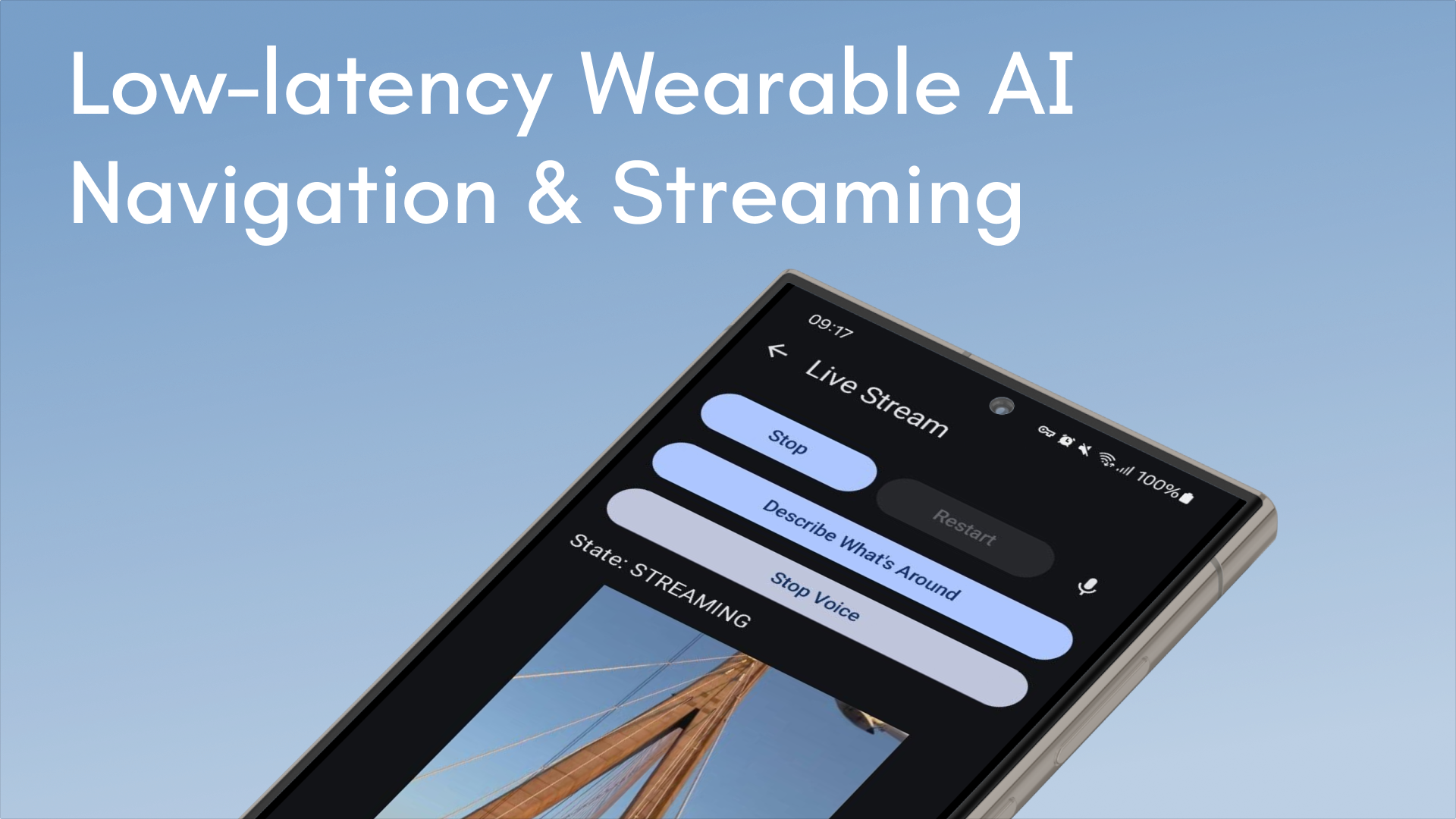
Low-latency Wearable AI Navigation & Streaming
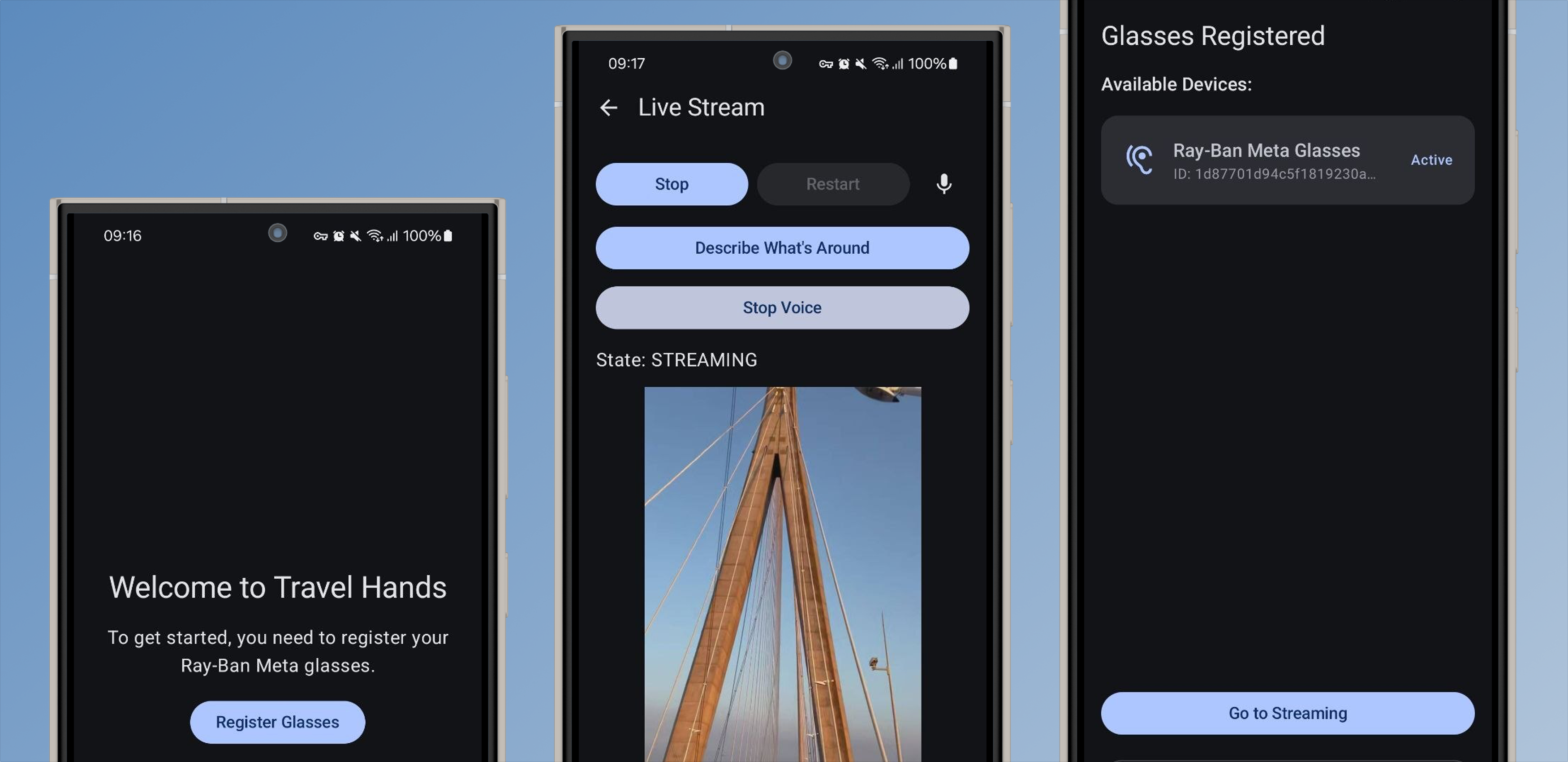
In 2 weeks, we built an Android app linking Meta Ray-Ban glasses with Gemini AI to give visually impaired users real-time audio guidance.

Duration
2 weeks

Industry
Accessibility, Mobility Services

Services
Wearable App Development
AI Development
Mobile App Development
Overview
Travel Hands pairs Visually Impaired People (VIPs) with trained volunteers for guided outdoor navigation. While their initial system facilitated over 1,500 in-person trips for 400 active users, relying only on physical guides left up to 40% of journey requests unmatched, which prompted the team to move toward remote wearable assistance.
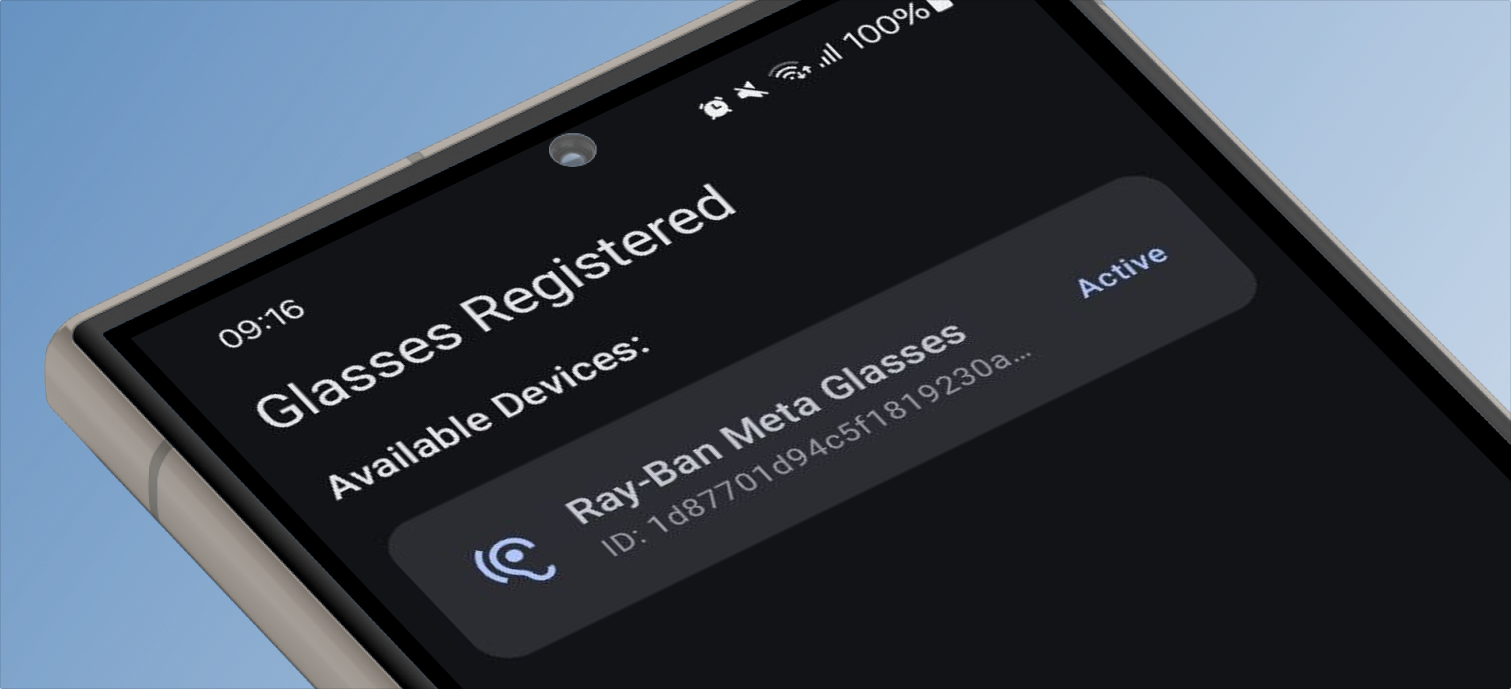
26bitz engineered a multimedia bridge to transition their concept into a functional prototype. By integrating the Meta Wearables SDK with real-time WebRTC video streaming protocols, we established a low-latency architecture that captures live video from smart glasses, streams it to a cloud server, and generates AI voice support for the user.
Live streaming trade-offs
Streaming video continuously from a wearable device forces compromises between speed, mobile bandwidth, and cloud processing costs. Sending non-stop video feeds into an AI model gets too slow for live walking navigation and far too expensive to scale.
We helped Travel Hands resolve a dilemma:
- Speed vs. Quality: Fast responses required for user safety conflict with sending heavy, high-resolution video over mobile networks which causes delays.
- AI bills: Feeding live video into an LLM burns millions of processing tokens per trip, creating unsustainable running costs.
AI integration with wearables
26bitz developed the media streaming pipeline and AI vision app. Along the way, we solved 3 major technical hurdles:
- Hardware-free testing: Built a mock device to simulate camera feeds, enabling software development and testing without physical smart glasses.
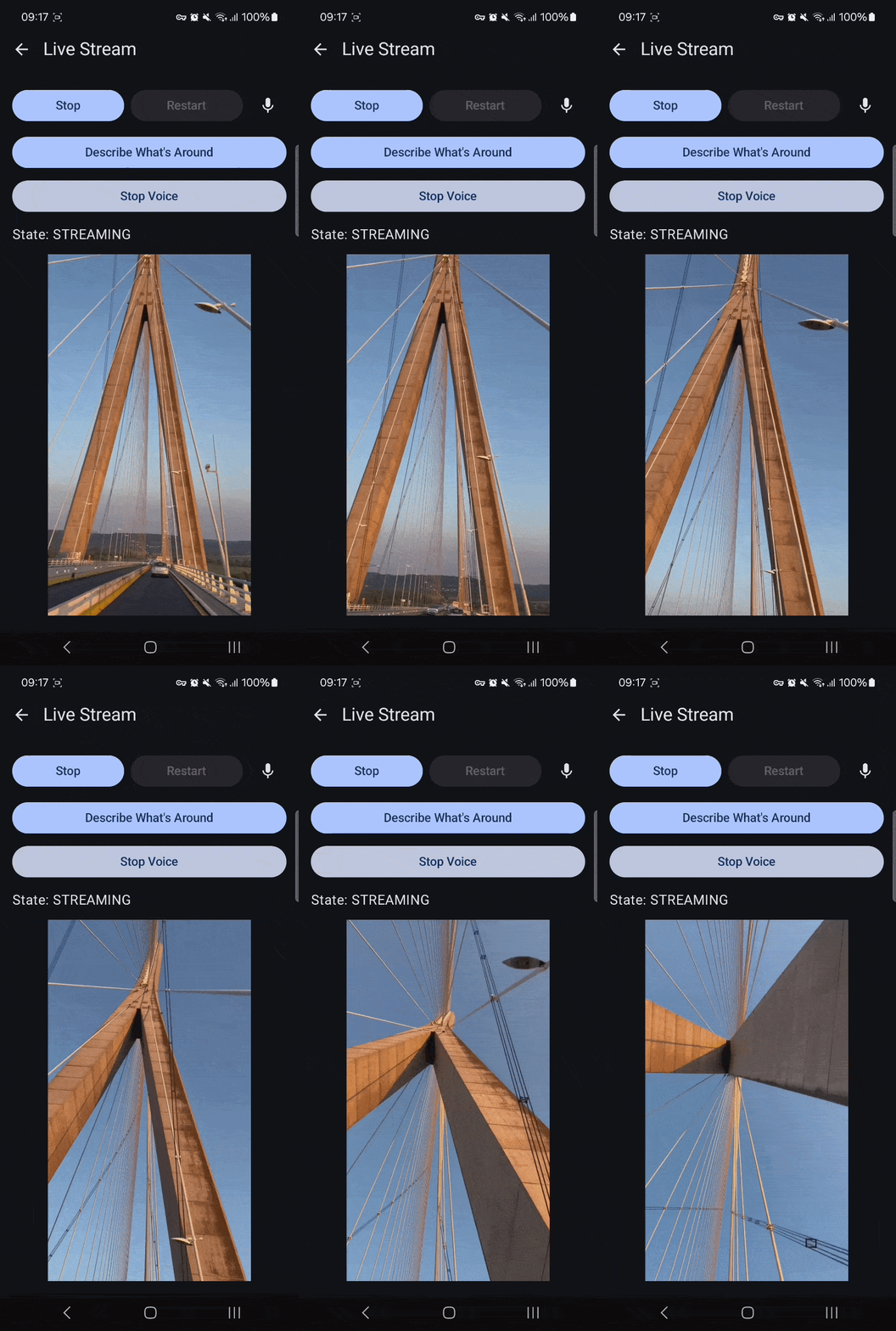
- Custom WebRTC: Refined encoding parameters and adjusted our video pipeline to handle different aspect ratios and frame sizes without stretching or distorting.
- Audio quality: Bypassed default Android Bluetooth phone call mode to enforce high-quality audio, maintaining clear environmental sound transmission.
Results
We turned the Travel Hands concept into a wearable app:
- Low-latency & low-cost: Instead of streaming non-stop video, the app takes single frame snapshots when prompted. This delivers fast guidance while cutting AI processing costs.
- Cloud storage: Video recordings upload directly to AWS S3, creating a dataset for AI models training.
- 2-week delivery: Built and deployed the Android app, cloud video server, and AI vision features.
Testimonial
“26bitz delivered on time. The team communicated well all along and was supportive. We had clear communication. I was impressed by the smoothness of the operations. Everything was seamless.”
— Ishan Jha, CEO of Travel Hands
What’s Next
Travel Hands plans to test the prototype with users and build an operator interface. Long term, they aim to add AI-assisted navigation, map integration and connect the remote streaming solution into their Voice Assistant application.
Technology stack
Kotlin, Android, Gemini AI, WebRTC, AWS S3, Meta Wearables SDK
Start building your future-ready
solution today
We're here to help you with your inquiries.
Customer testimonials
Our clients highlight our expertise and reliable technical support
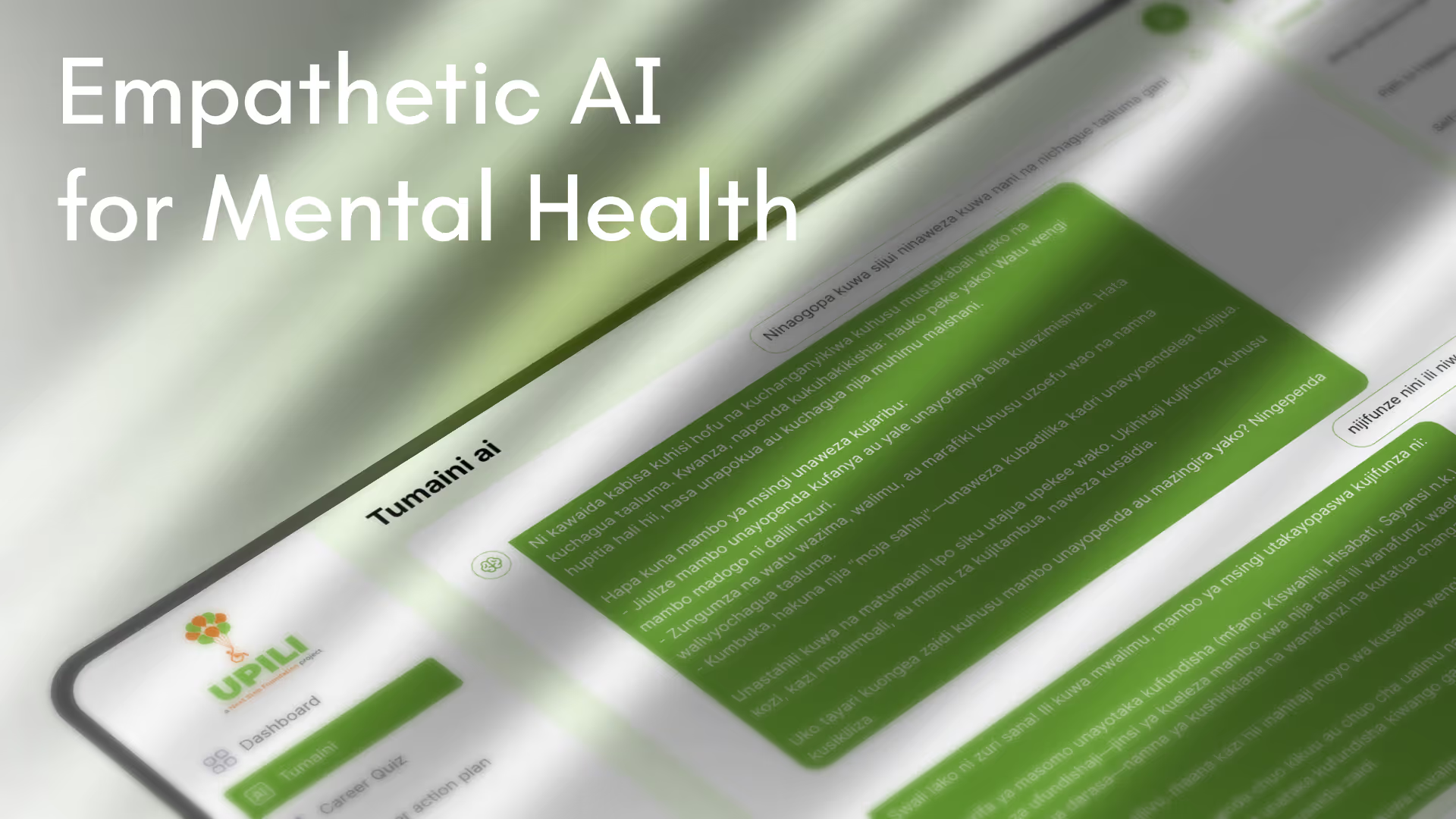
26bitz immediately understood our vision for bringing accessible mental health support to this vulnerable population. Utilizing a model fine-tuned on Swahili language will expand the number of students who can access Tumaini and make interactions feel more organic and natural. We look forward to continuing to work with 26bitz to expand the features and functions of Tumaini to better serve the mental health needs of Youth with Disabilities.
Chris Harrison
Working with Andrey and 26bitz was a great experience. They jumped in quickly to help us set up an integration in our internal pharma system and brought valuable insights from their experience in healthcare tech. Their knowledge of security and compliance really stood out, and it was super easy to communicate with them. Would definitely work with 26bitz again!

Victor G.

26bitz has finalized the Supabase migration, and the entire app now runs on a custom backend. The team has set up the cloud infrastructure and deployed the app; it's now fully up and running. 26bitz has significantly improved application speed and loading times; it's now much faster. I'm impressed by 26bitz's clarity, quickness, and kindness. They've been amazing.

Eric Talbert
What stood out most about 26bitz was the rare combination of technical innovation and genuine compassion that drives their work. Finding a technology partner who not only excels in software development but also demonstrates a deep commitment to social impact and mental health advocacy is truly uncommon. The collaboration with 26bitz was seamless from start to finish. Communication, delivery, and professionalism consistently exceeded expectations, and all project goals were achieved on time and with exceptional quality.

Joel Finch

Latest Case Studies
Explore our latest challenges and successes in building impactful healthtech solutions.
.avif)

Schedule a consultation with our team
Please provide a brief overview of your project and your earliest availability, and we will get back to you as soon as possible.